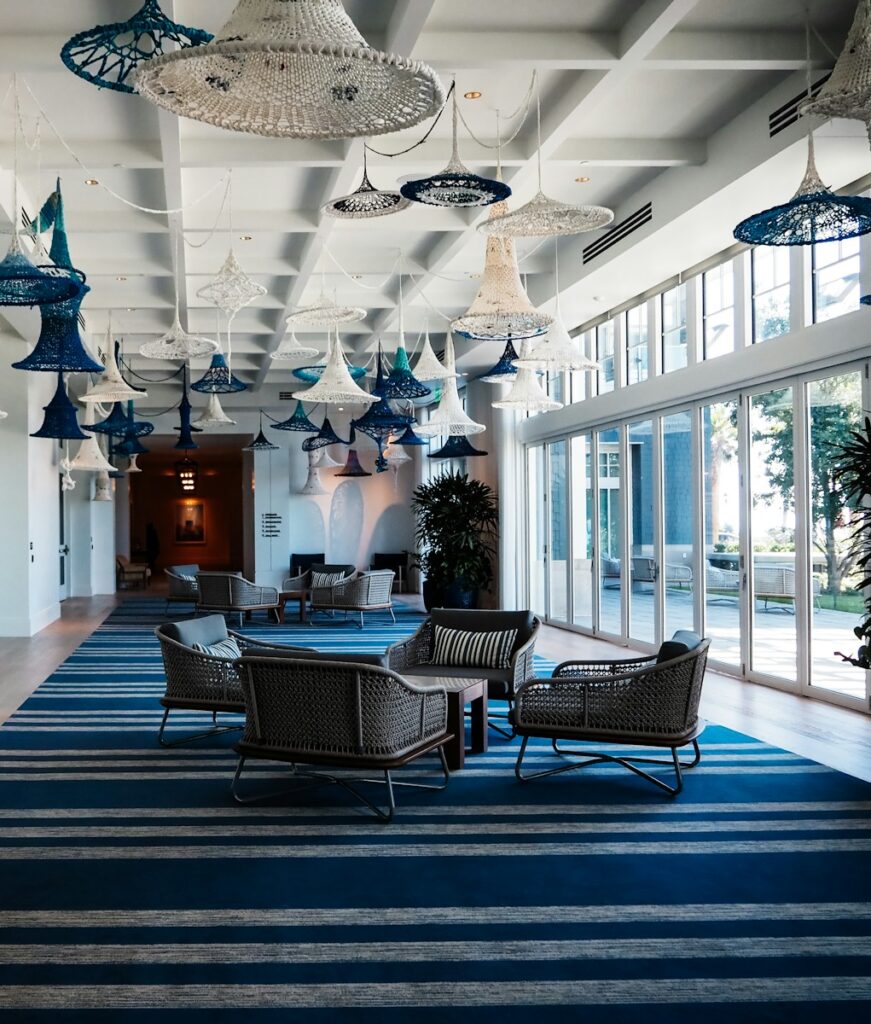

Commercial Interior Design Naples FL Guide: Practical Playbook for Permitting, ROI, Specs & Negotiations
In the sophisticated business environment of Naples, Florida, commercial interior design represents far more than aesthetic enhancement. It serves as a strategic investment that influences customer perception, employee performance, operational efficiency, and ultimately, profitability. This comprehensive guide provides business owners, property managers, and developers with a practical playbook specifically tailored to the unique demands of Collier County.
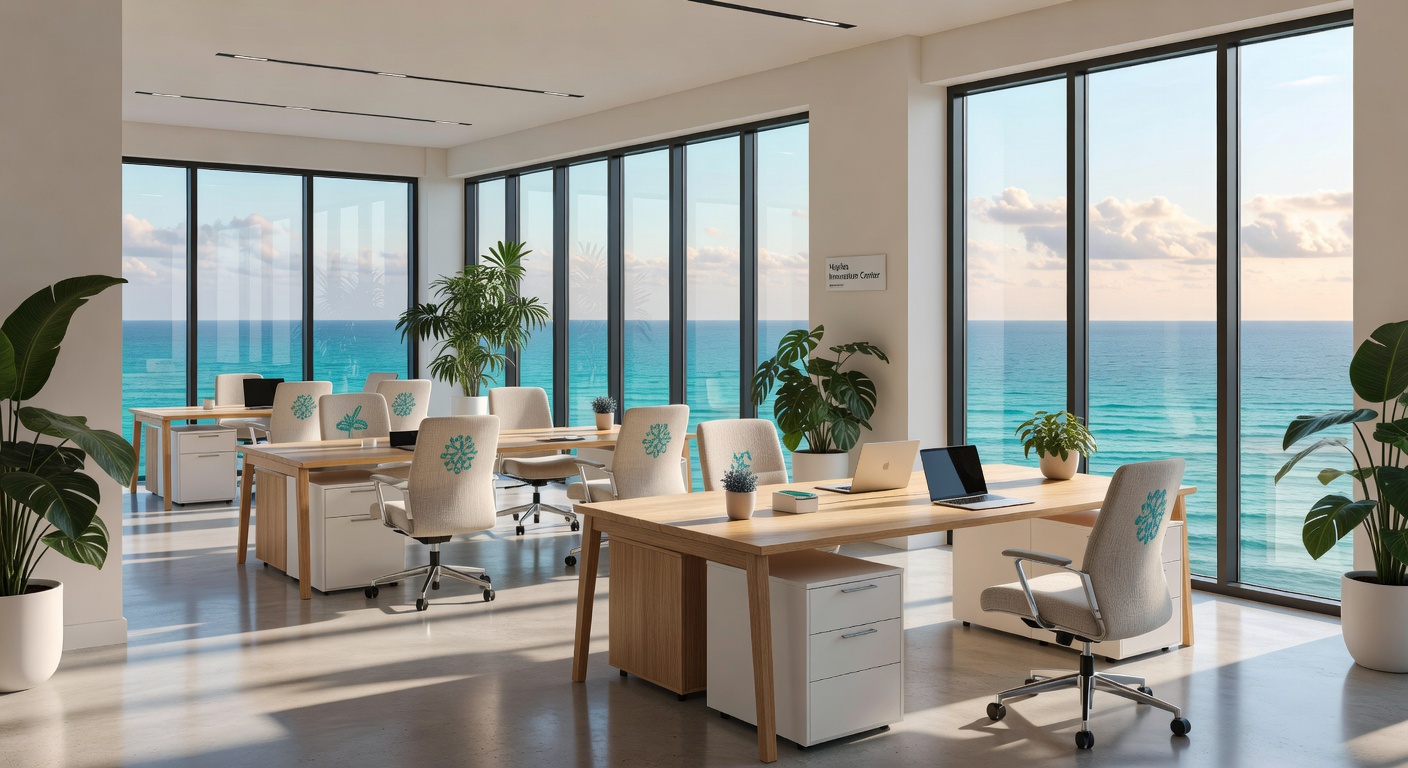
Naples demands spaces that balance coastal elegance with uncompromising functionality. From high-end retail boutiques along Fifth Avenue South to professional offices in Pelican Bay, restaurants in the historic downtown, and medical facilities throughout the county, every project must navigate strict regulations, volatile environmental conditions, and the expectations of an affluent clientele. This article explores the critical pillars of success: securing permits efficiently, building accurate ROI models, specifying materials that endure Southwest Florida’s challenging climate, and negotiating with vendors to maximize value.
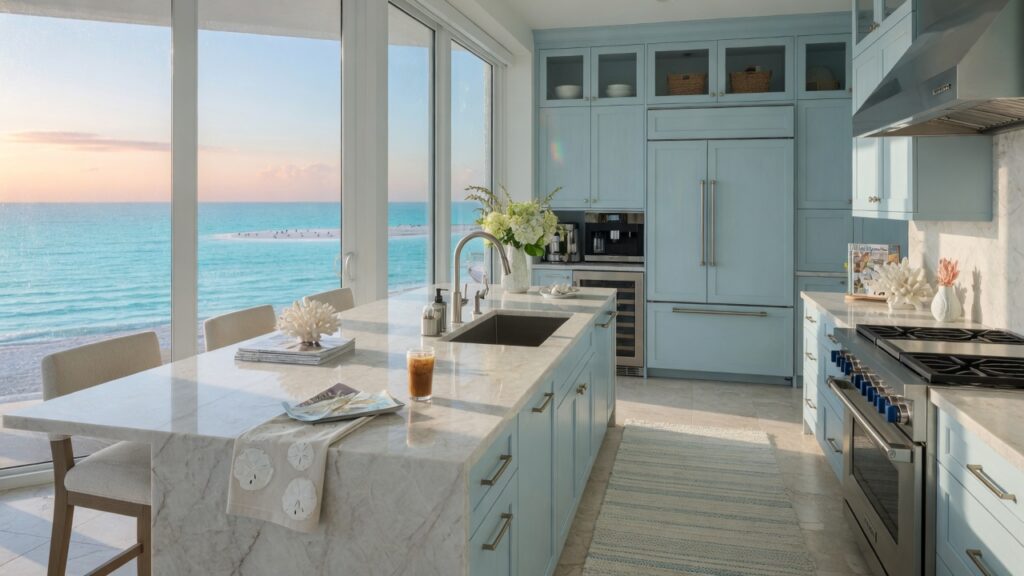
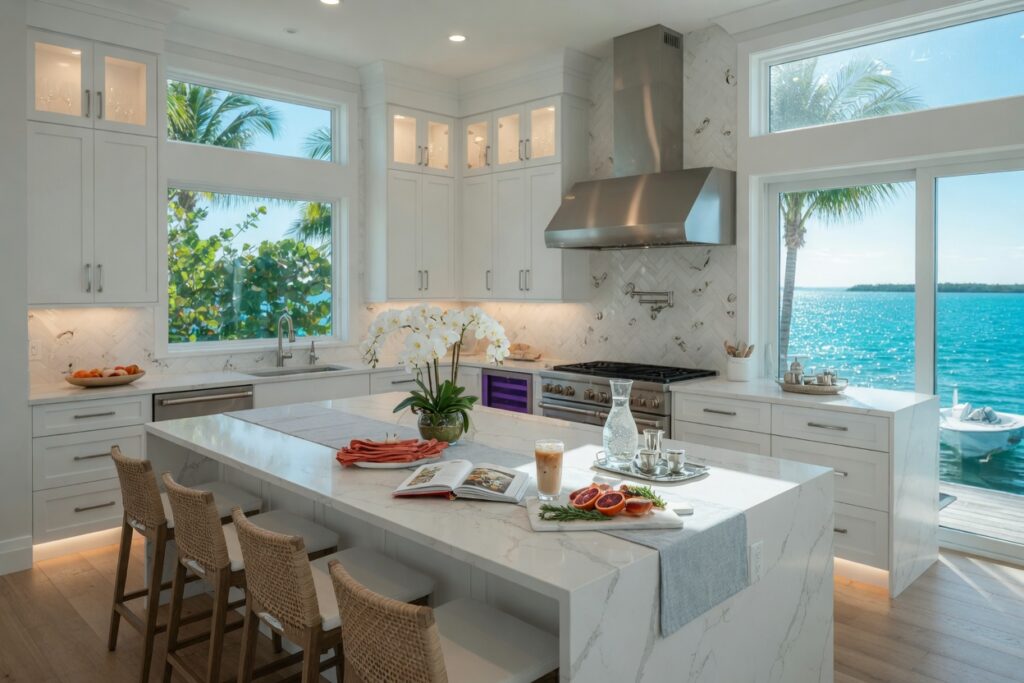
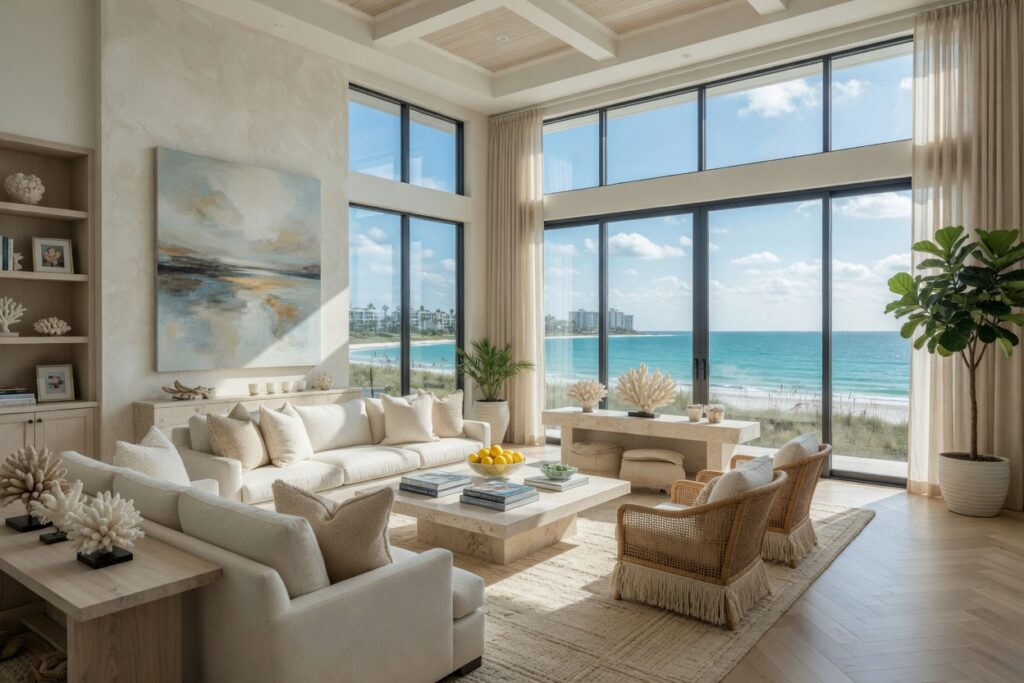
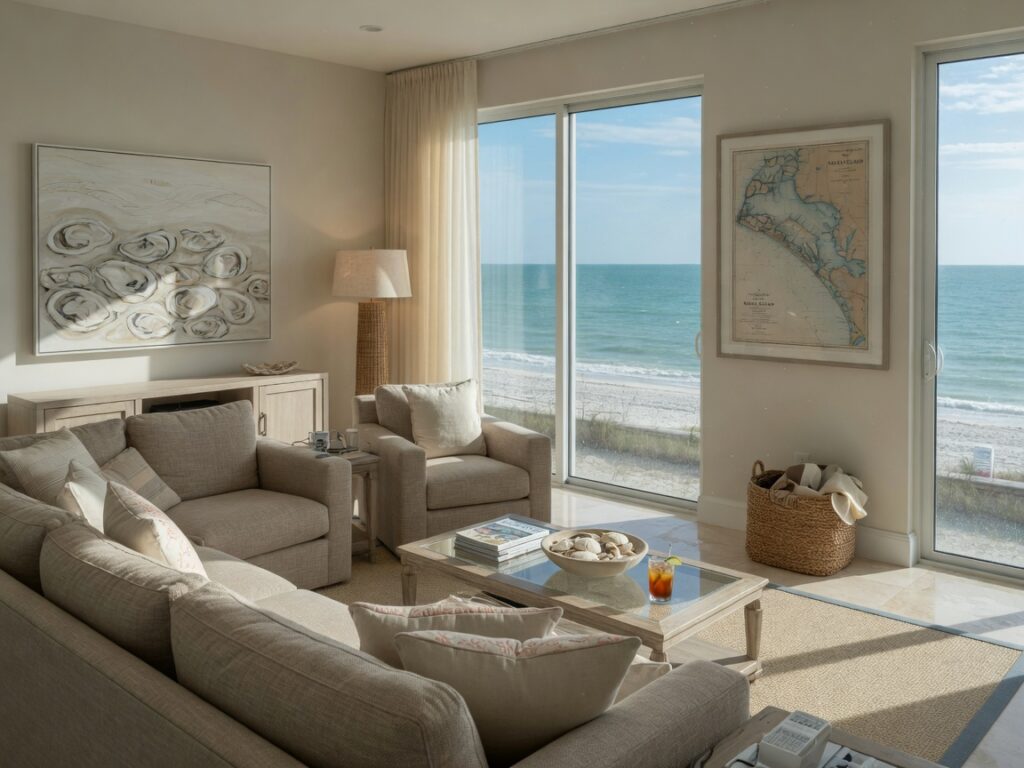
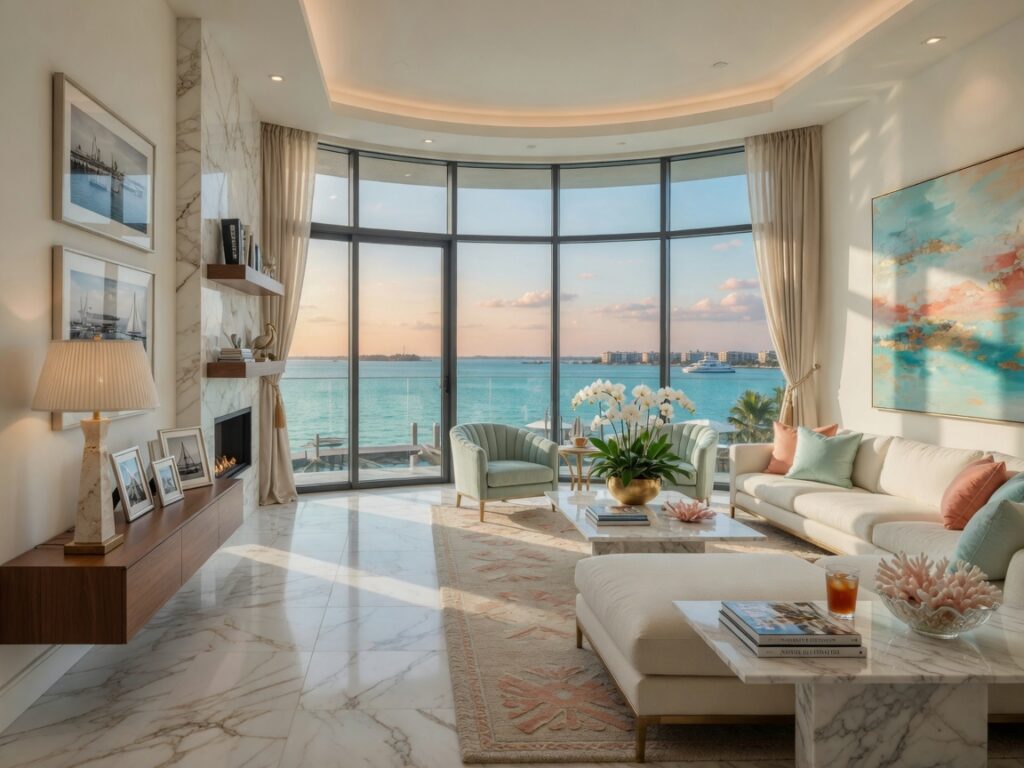
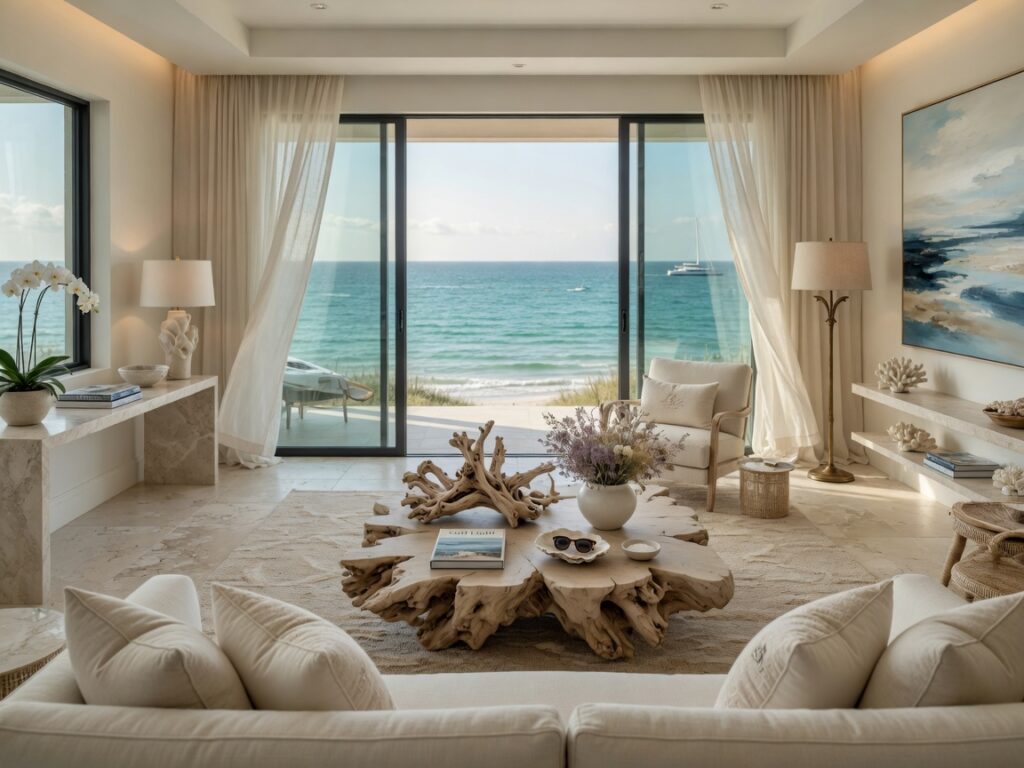
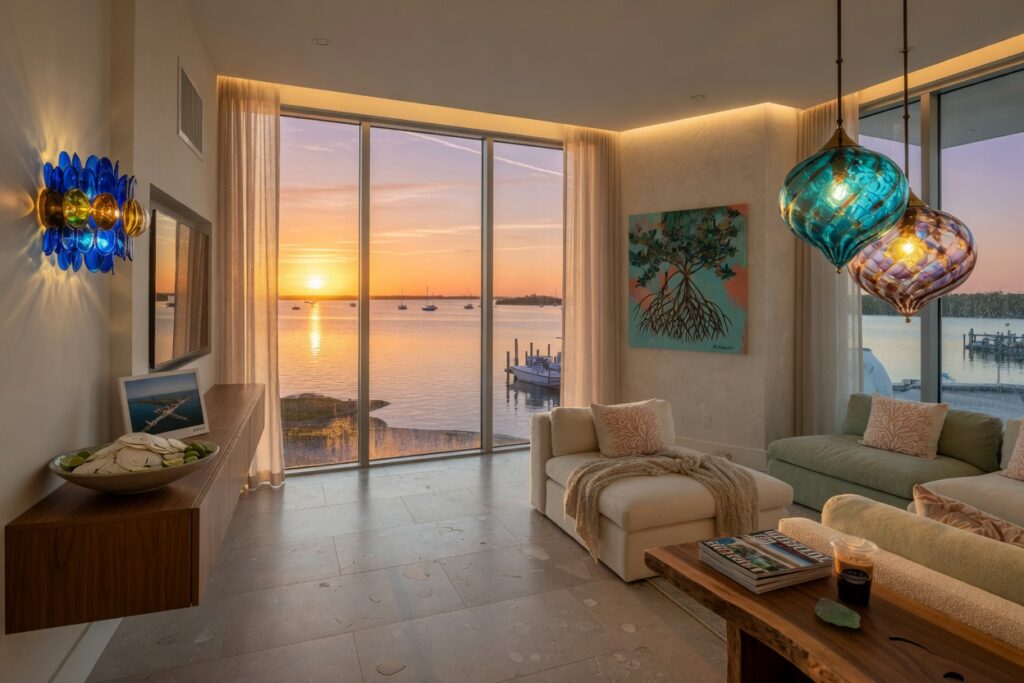
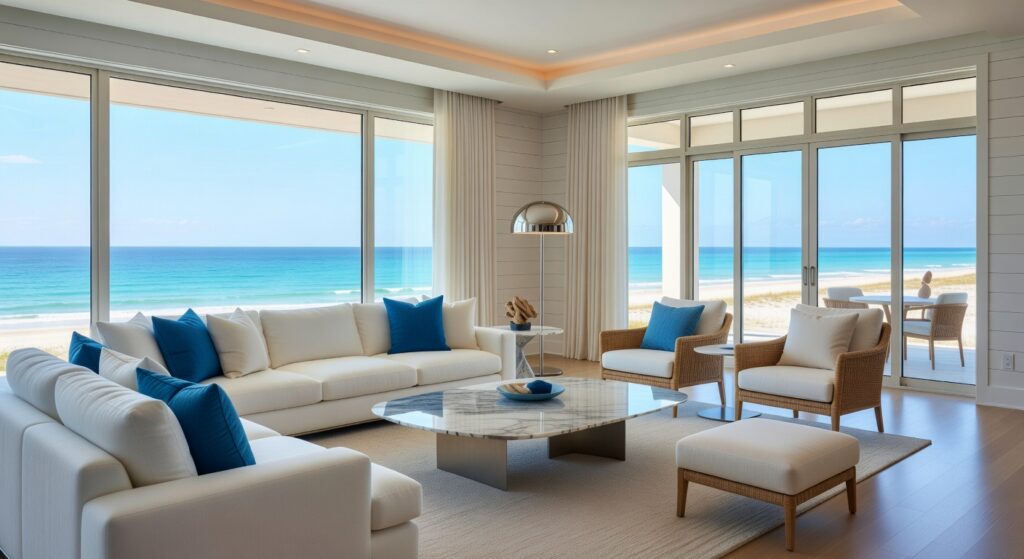
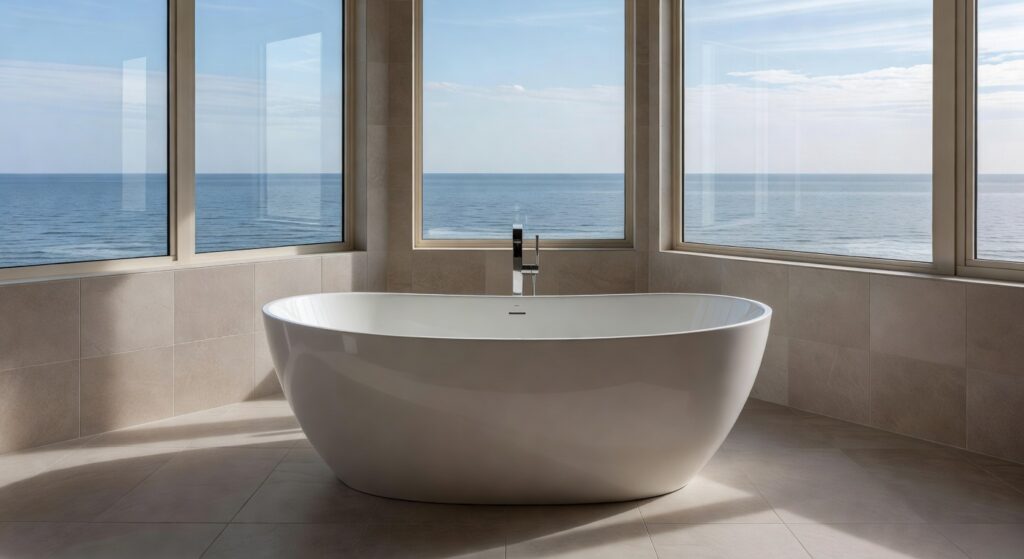
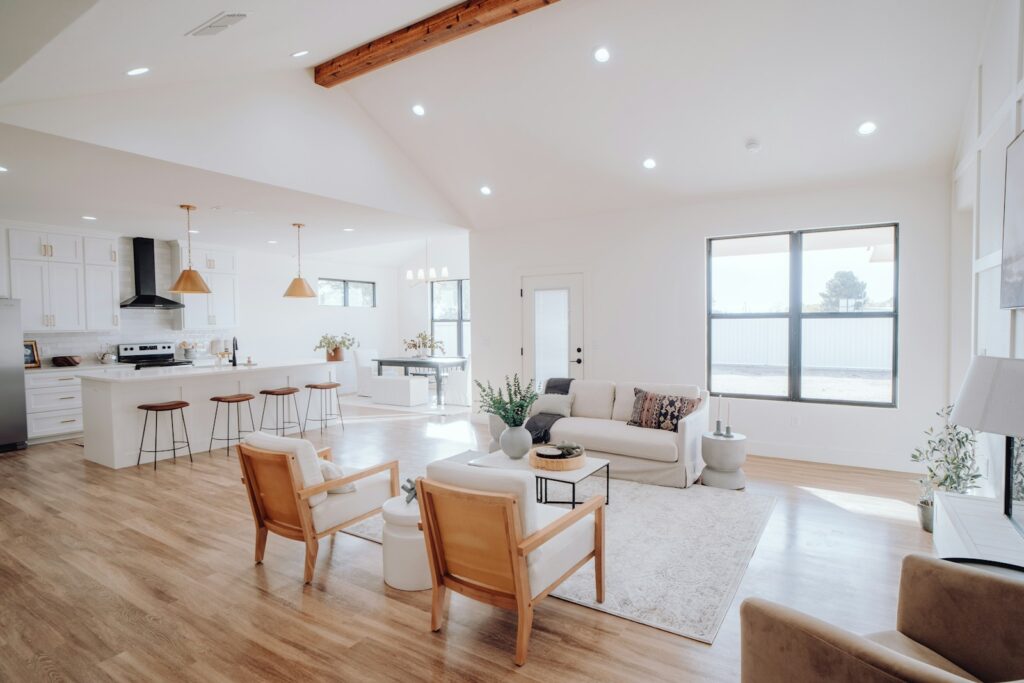
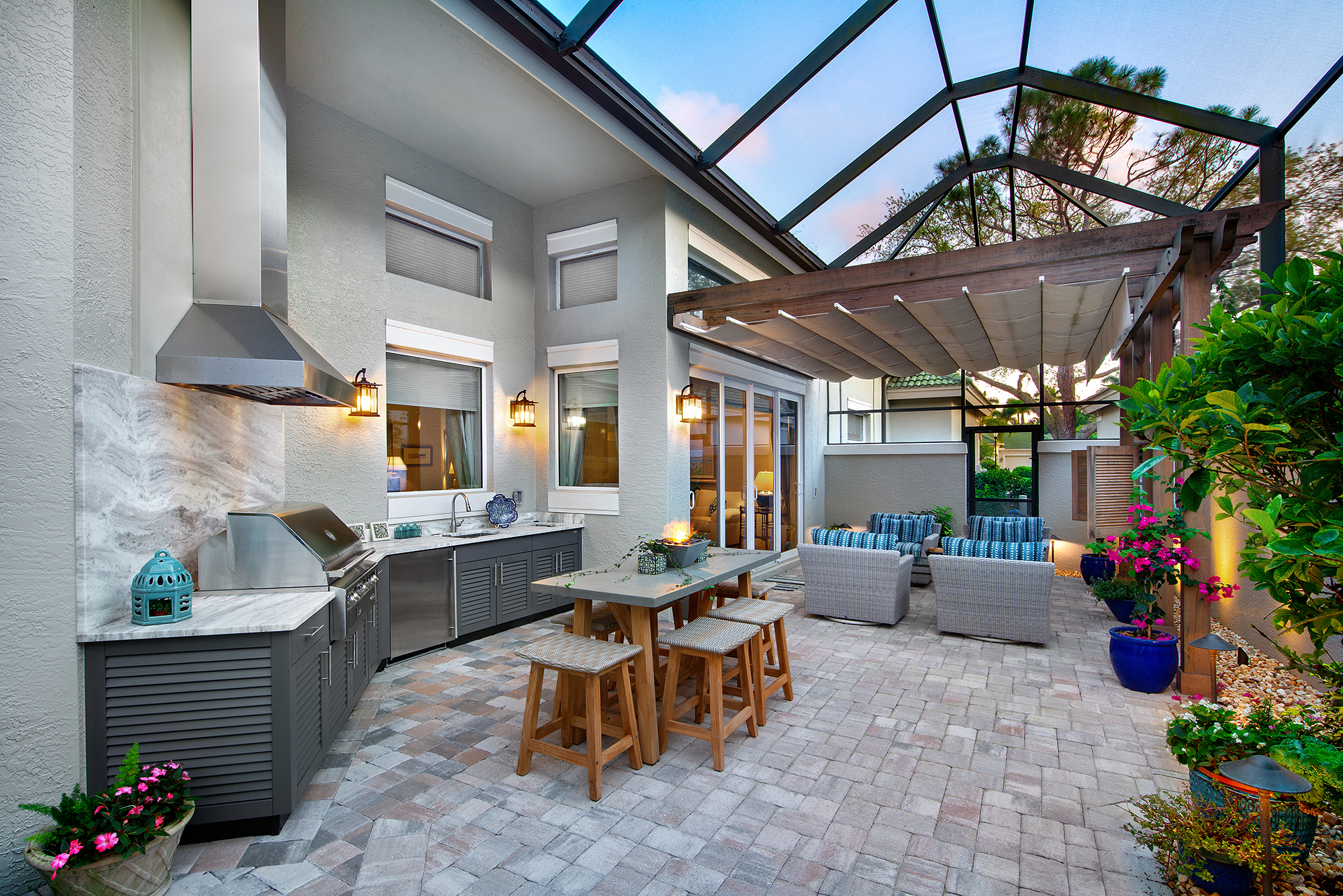
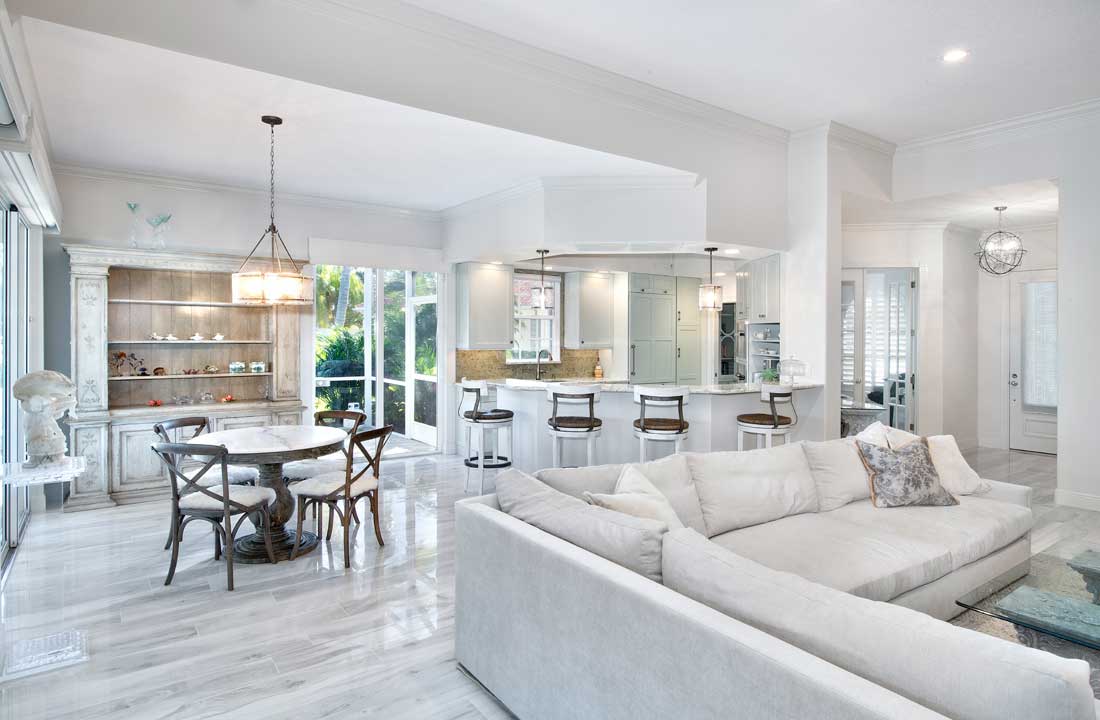
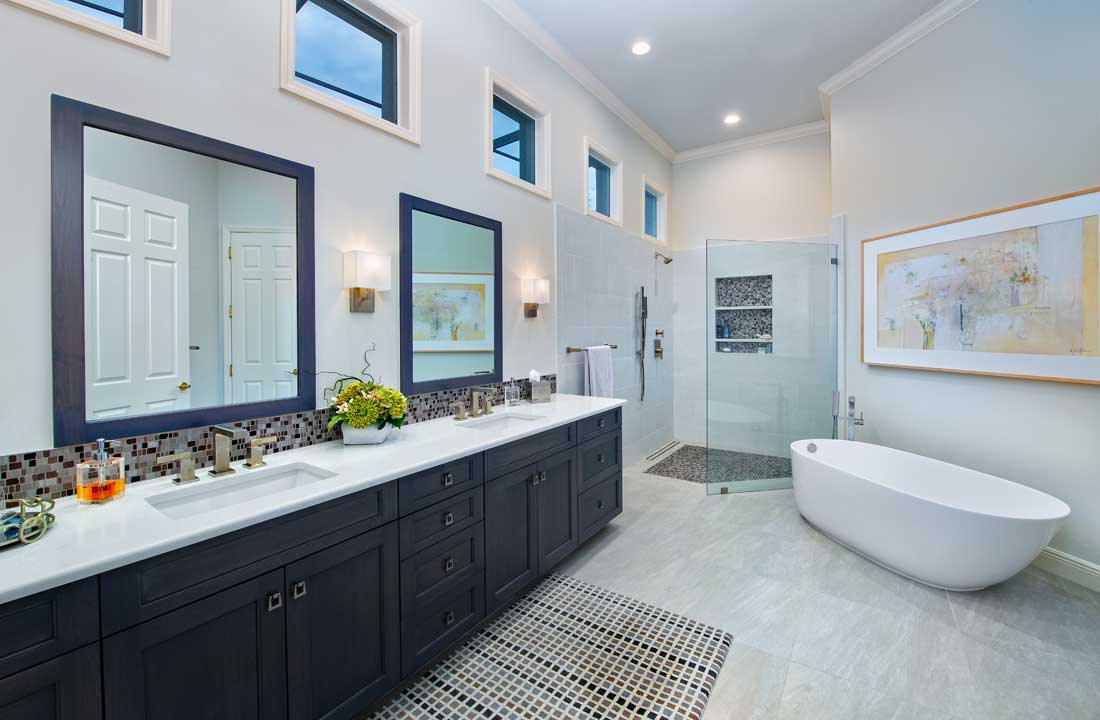
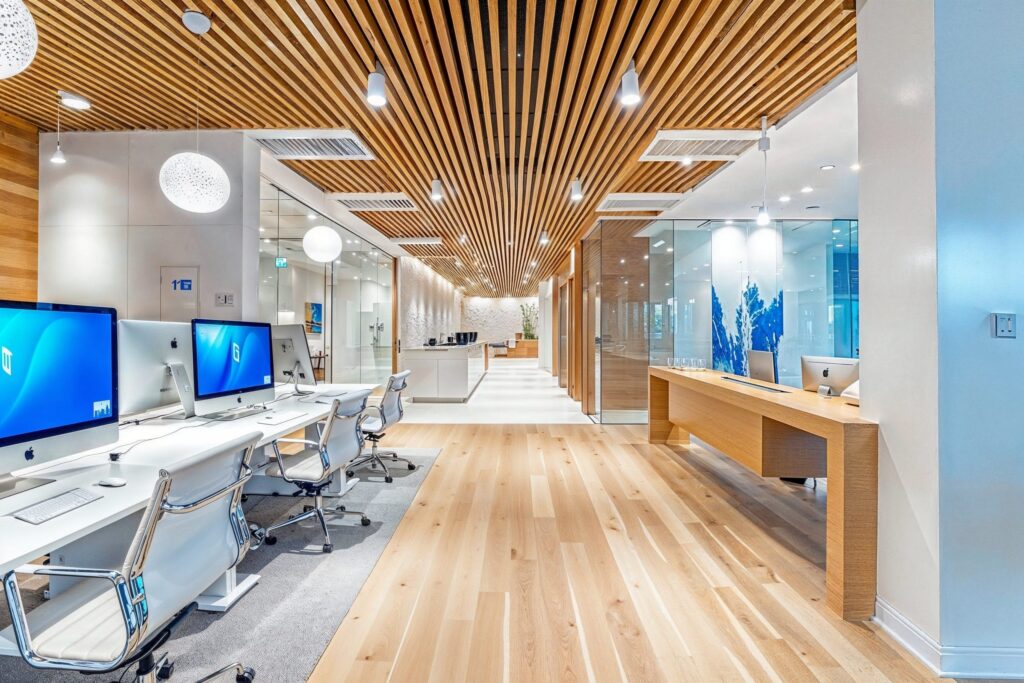
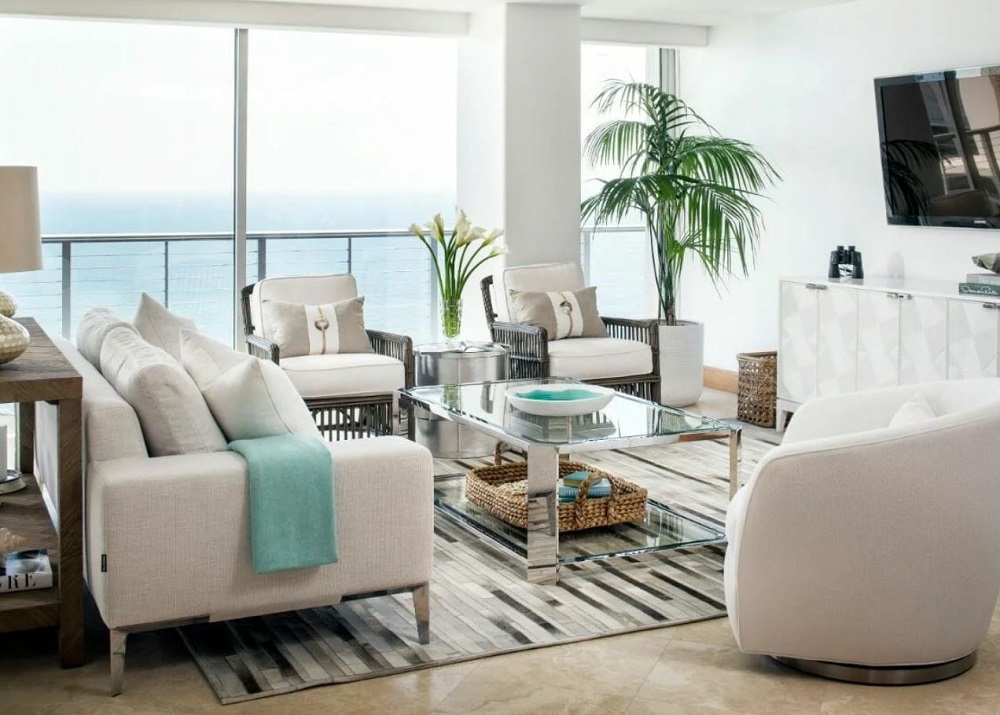
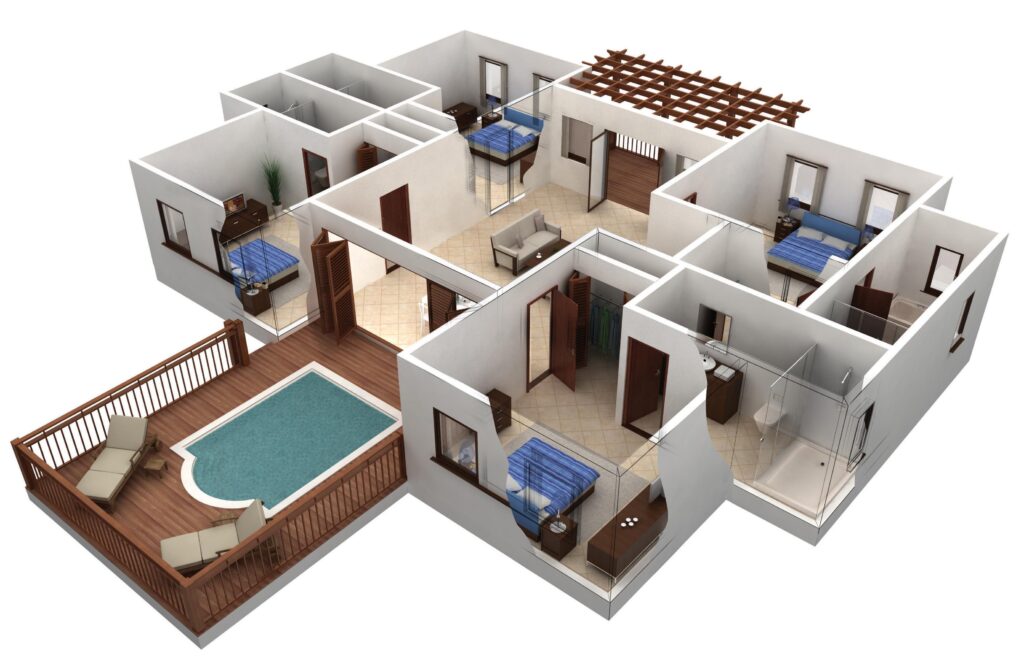
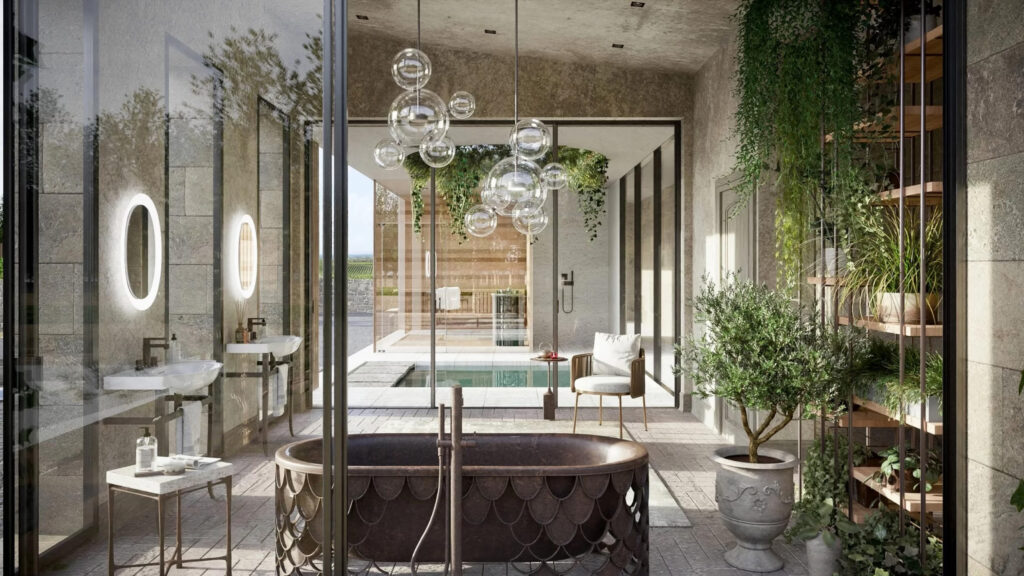
Image Grid 1





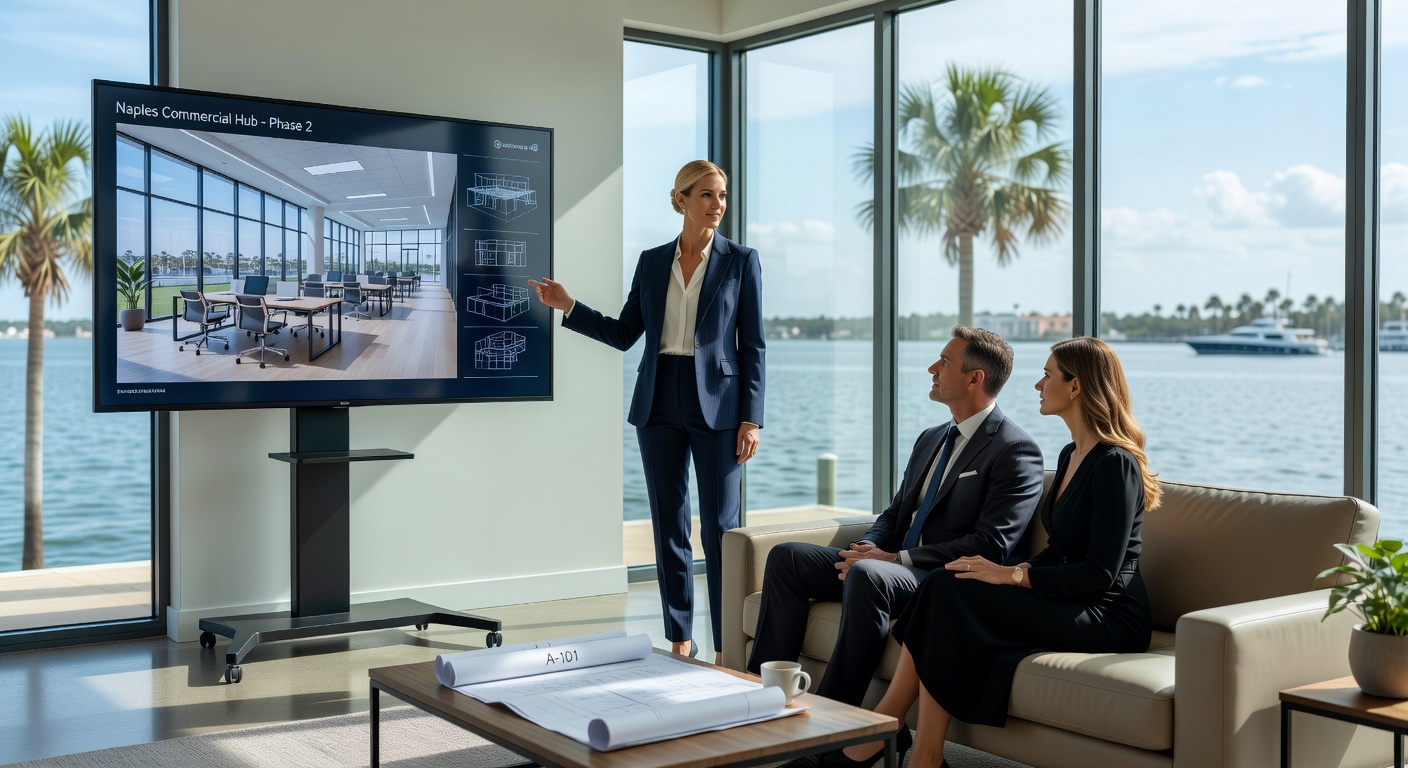
Drawing from extensive local experience, this guide equips you with actionable tactics used successfully on dozens of Collier County projects. Whether you are planning a complete build-out or a targeted renovation, these insights will help transform your vision into a high-performing commercial environment.
The Distinctive Commercial Design Landscape in Naples and Collier County
Naples stands apart from other Florida markets due to its refined aesthetic sensibilities, seasonal tourism fluctuations, and stringent community design standards. Commercial interiors here typically embrace coastal contemporary styling characterized by light, neutral palettes, natural textures, abundant daylight, and seamless connections between indoor and outdoor spaces.
However, success requires more than beautiful renderings. Designers must account for intense humidity averaging 80-90% during summer months, salt-laden air, powerful UV exposure, and the constant risk of tropical weather systems. These environmental factors significantly influence everything from material selection to HVAC integration and long-term maintenance planning.
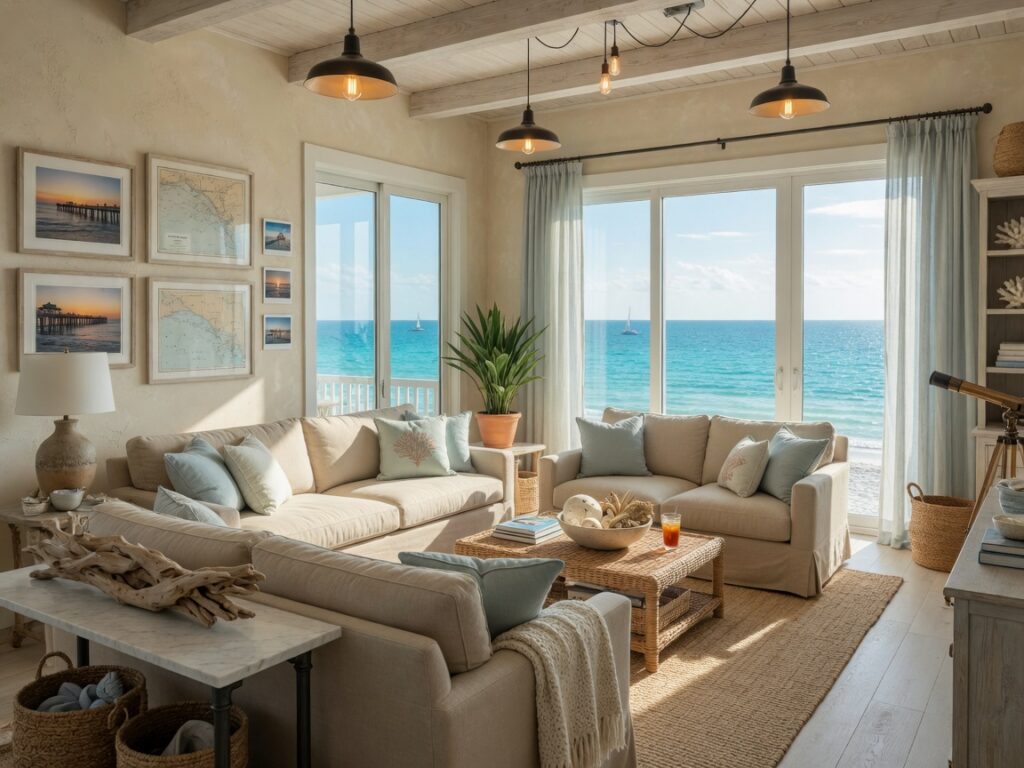
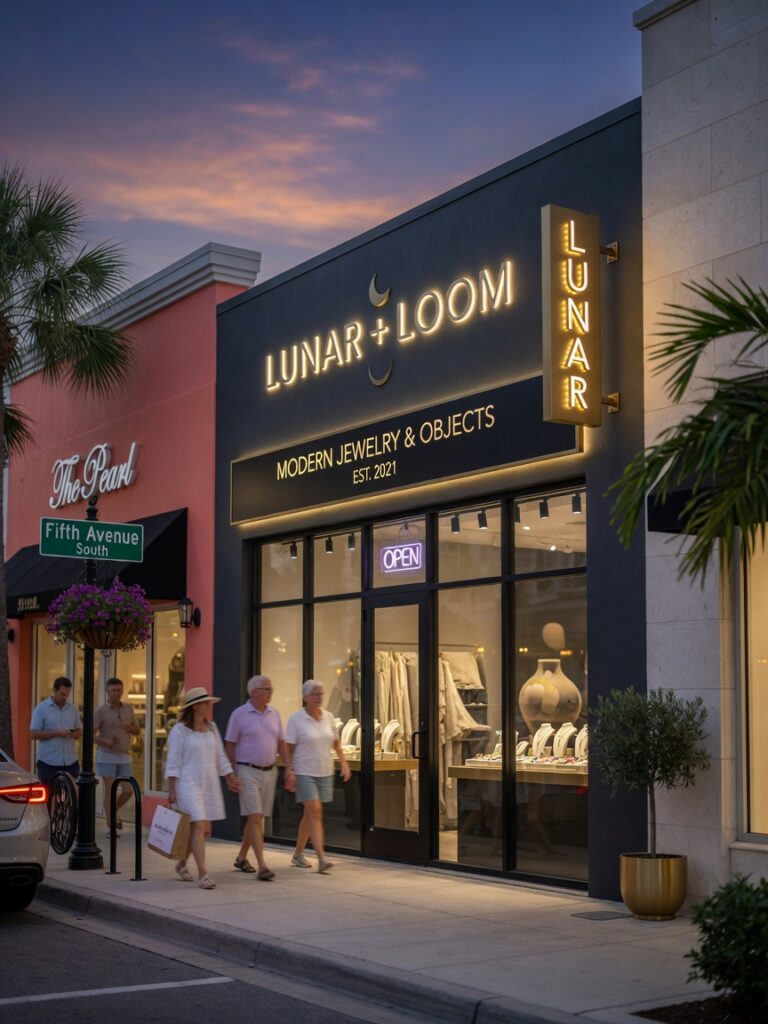
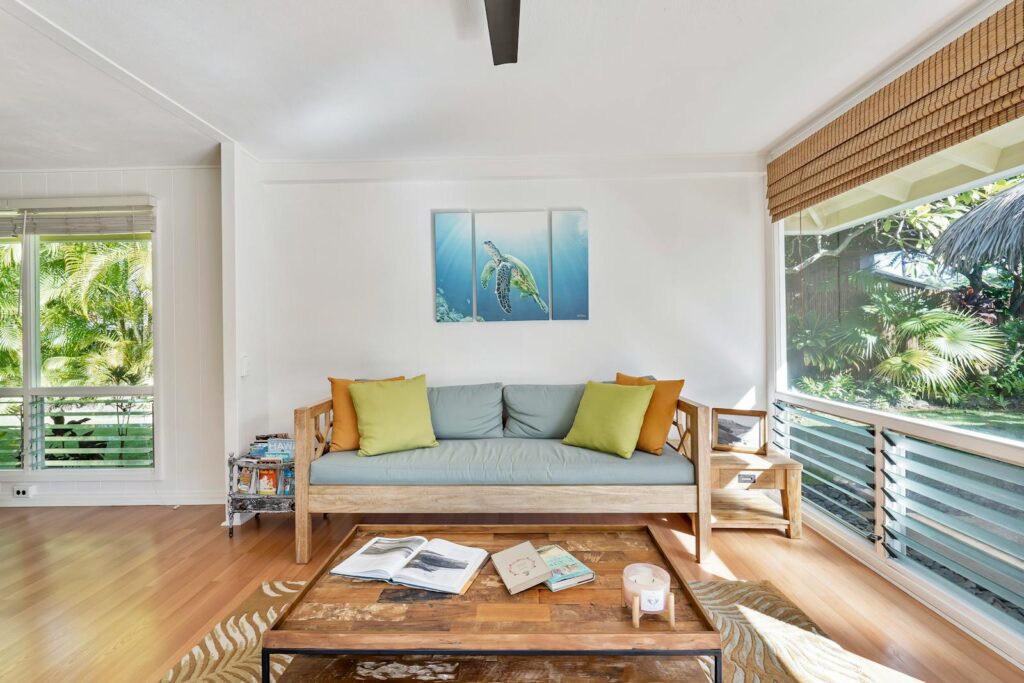
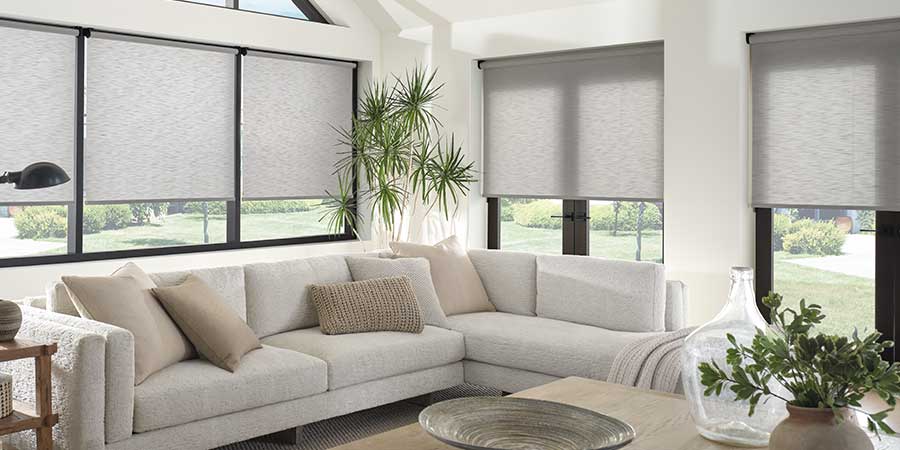
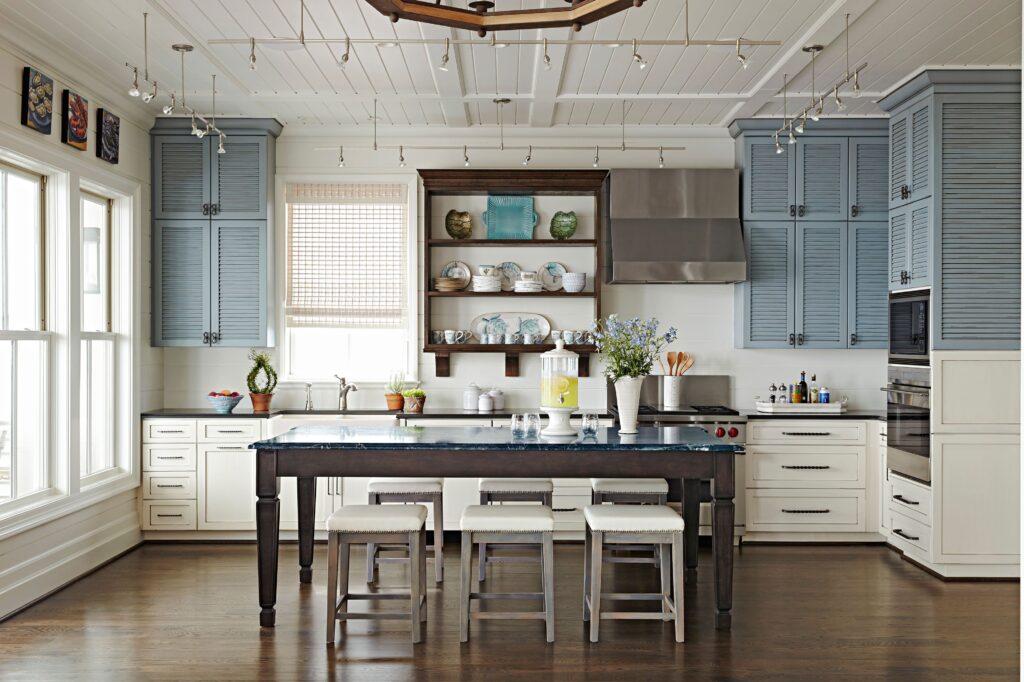
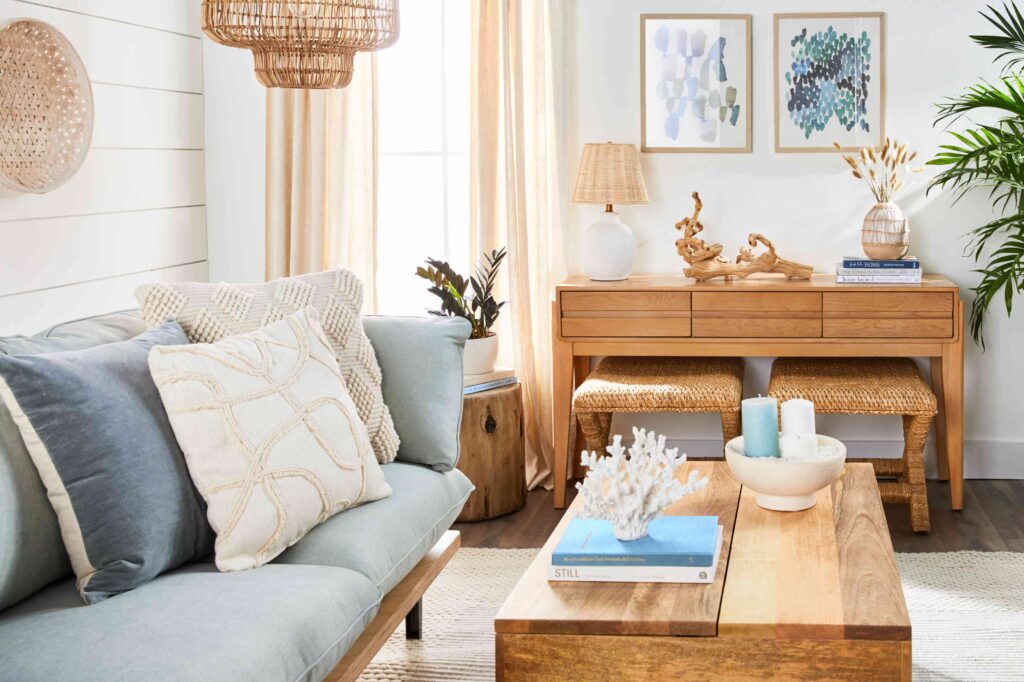
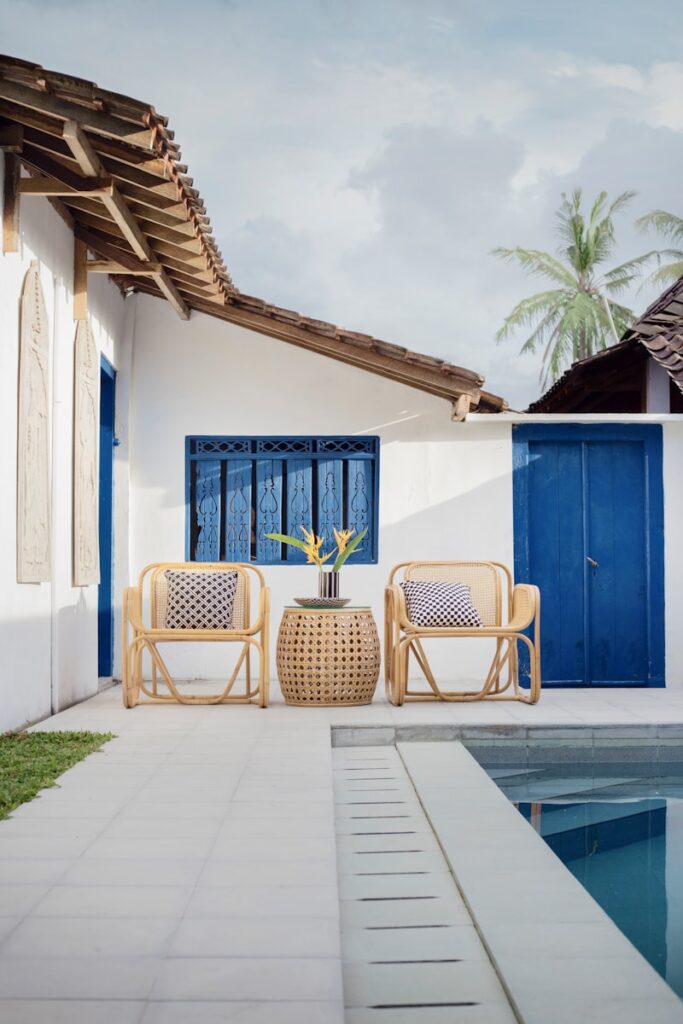
Image Grid 2
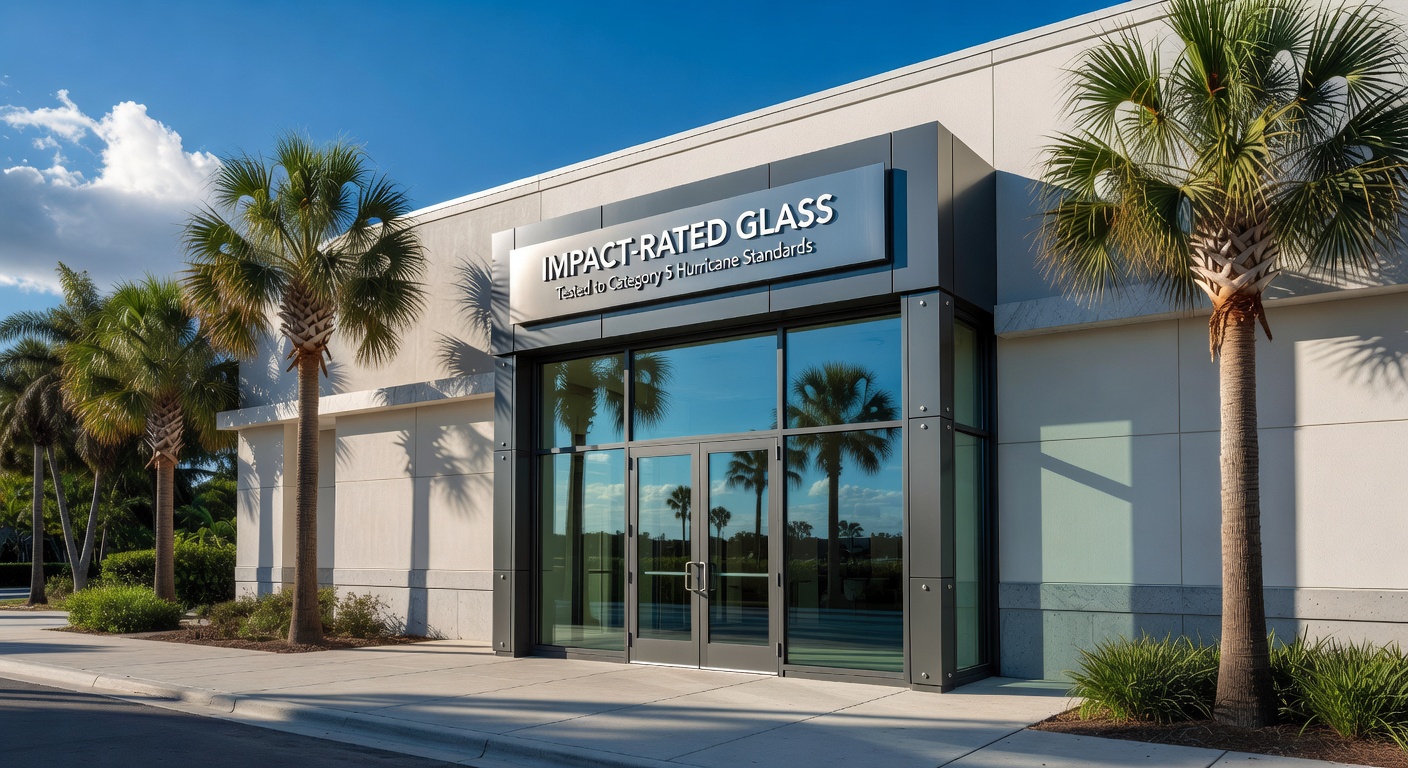

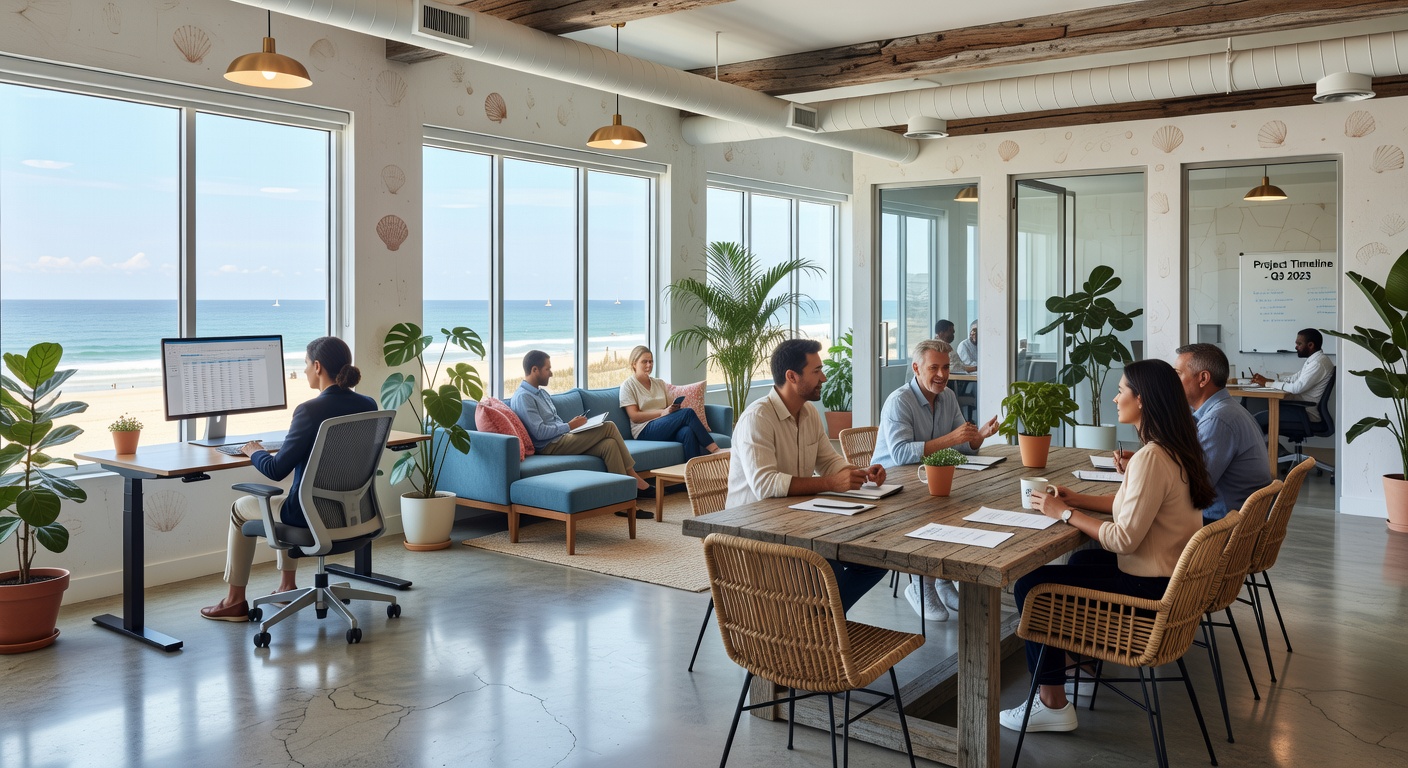
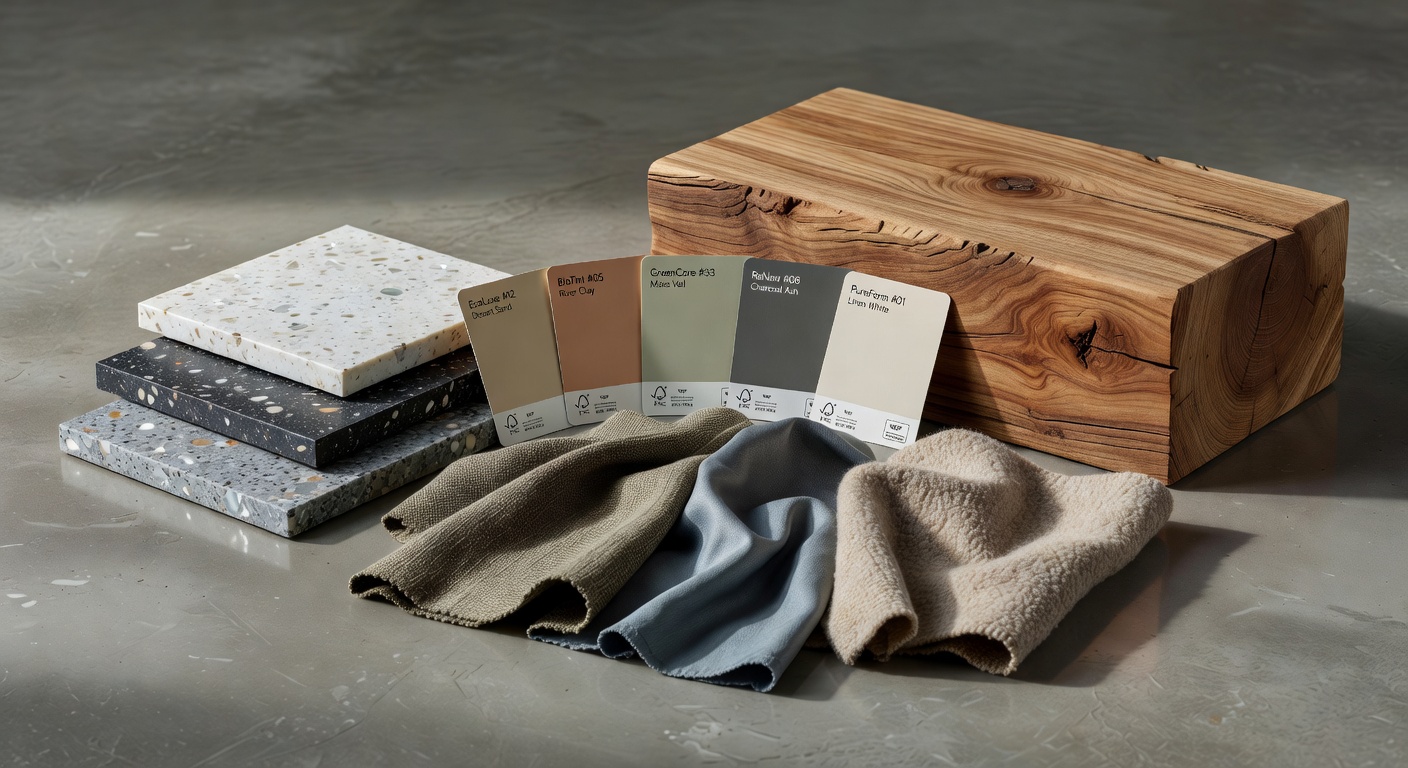
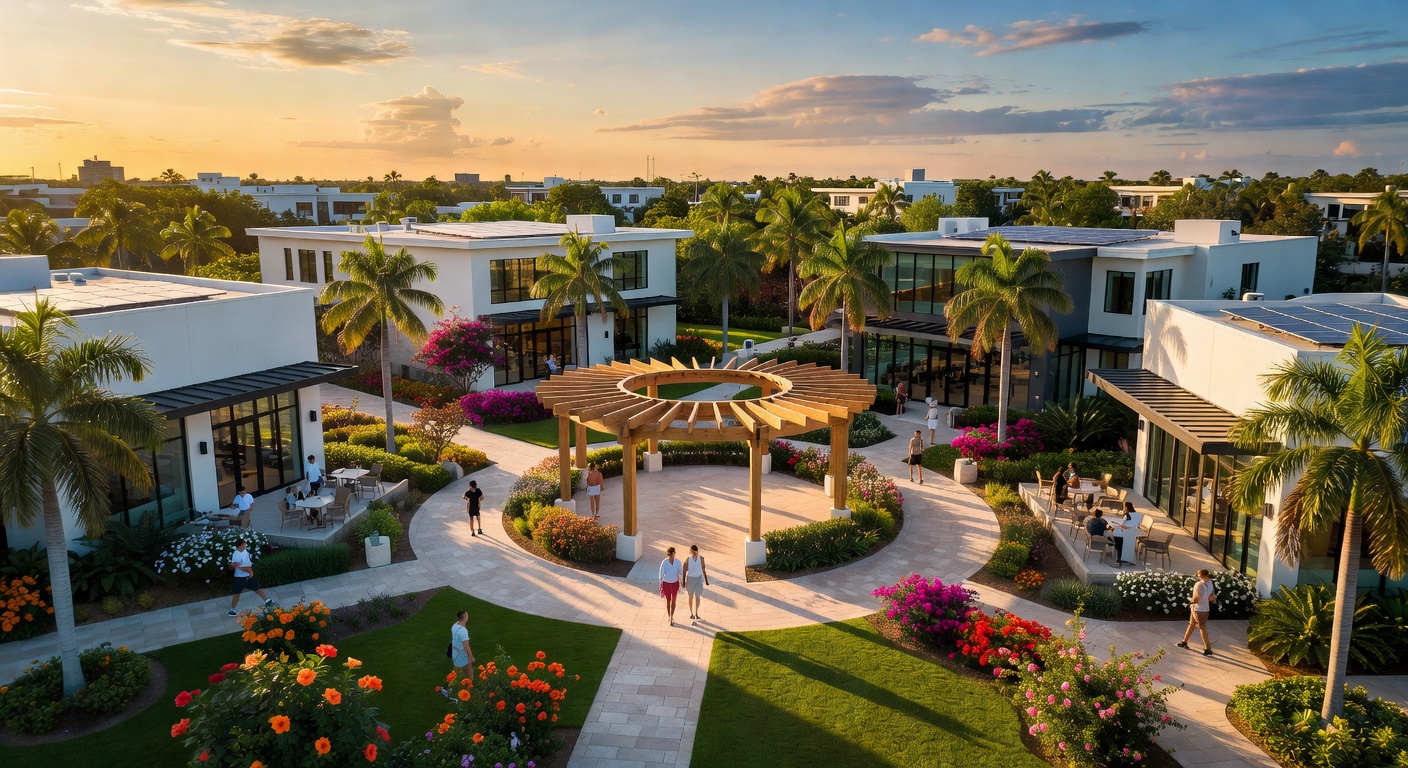
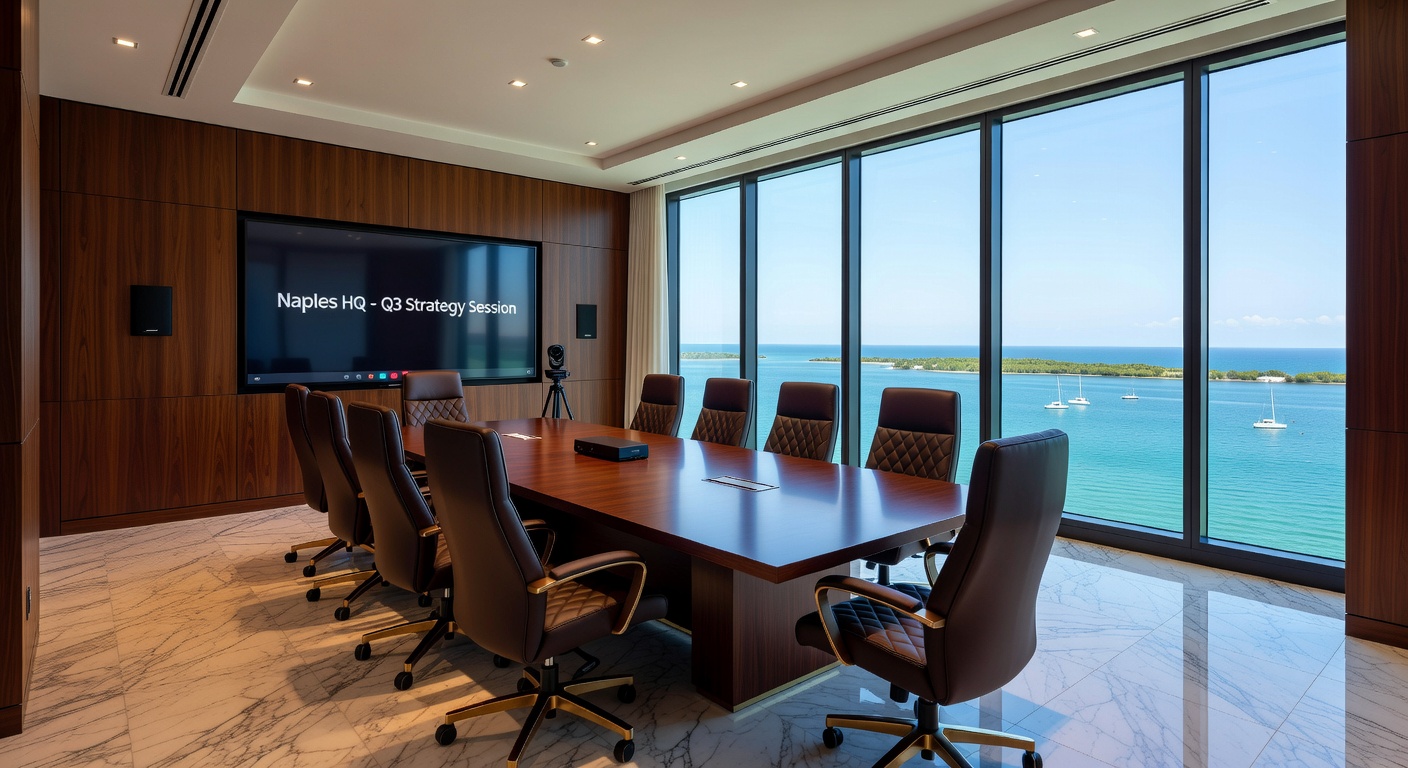
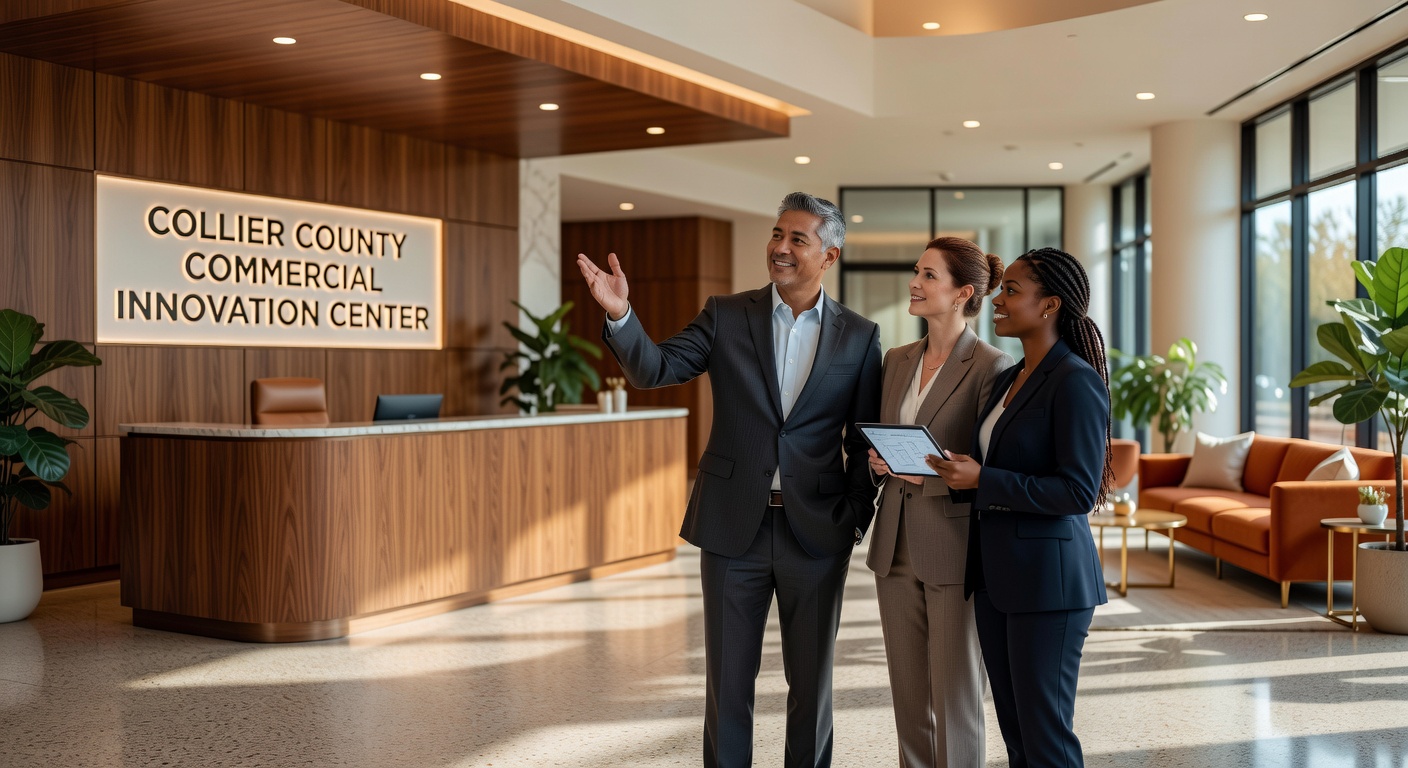
Furthermore, Collier County’s regulatory framework emphasizes sustainability, hurricane resistance, and accessibility. Businesses that invest thoughtfully in commercial interior design Naples FL consistently report higher customer dwell times, improved brand perception, and stronger financial performance compared to competitors with outdated or generic environments.
Navigating the Permitting Process in Collier County
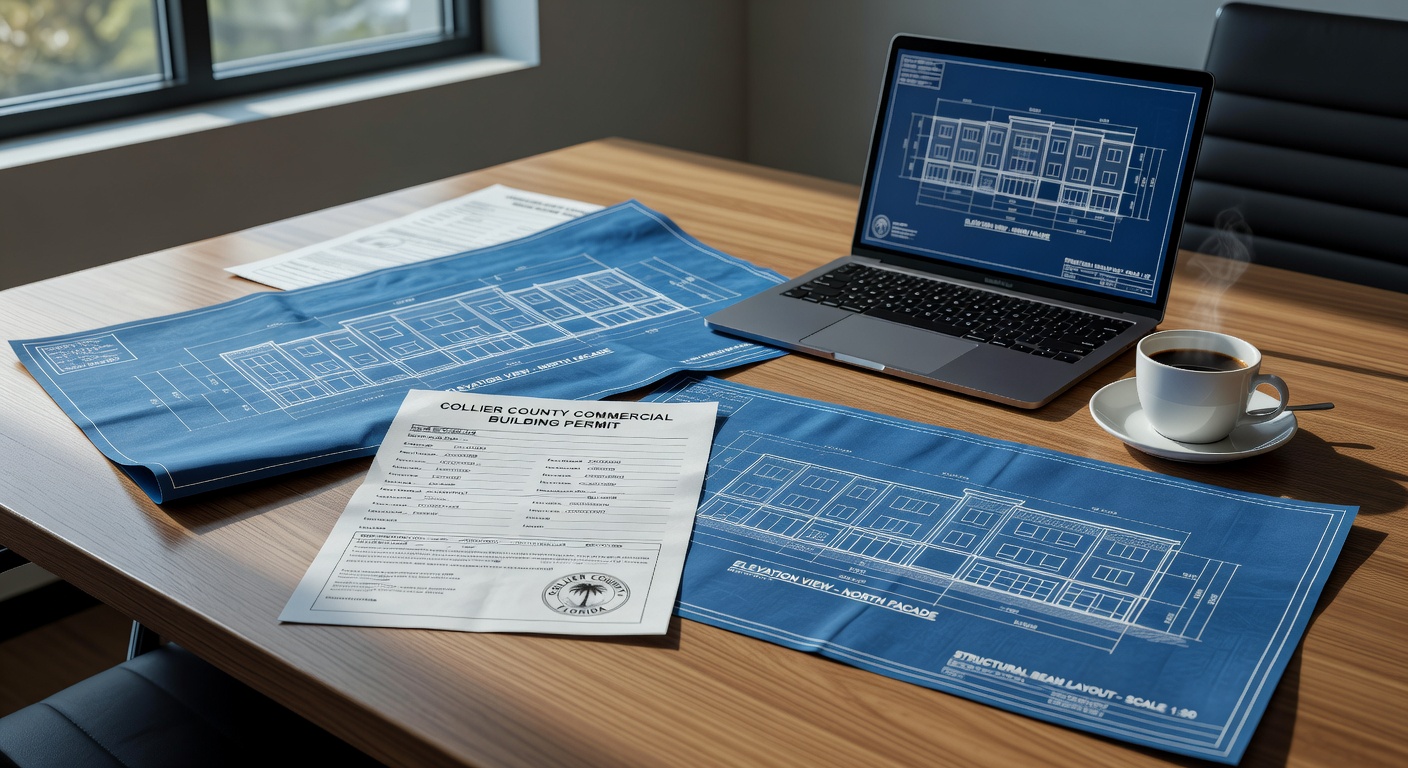
Perhaps the most critical early step in any commercial project is securing proper approvals from Collier County’s Development Services Department. Missteps here can cause costly delays of 30-90 days. Understanding the process provides a significant competitive advantage.
Key Permits Required for Commercial Interior Projects
- Building Permit: Covers structural modifications, interior fit-outs, and most renovation work.
- Electrical, Mechanical, and Plumbing Permits: Often required separately even when included under a general contractor.
- Fire Protection Permit: Mandatory for sprinkler systems, alarms, and egress modifications in public spaces.
- Health Department Approval: Essential for restaurants, salons, healthcare facilities, and any food service operations.
- ADA Compliance Review: Ensures accessibility standards are met for public accommodations.
- Certificate of Occupancy: Final approval confirming the space is safe and compliant for intended use.
Step-by-Step Guide to Securing Permits Efficiently
Begin with a pre-application consultation with county staff. Engage a licensed Florida architect or interior designer experienced in Collier County submissions to prepare detailed construction documents, engineered drawings where required, and energy calculations per Florida Building Code standards.
Submit complete packages through the county’s online permitting portal. Incomplete applications represent the leading cause of delays. During the review phase (typically 15-45 business days depending on complexity), respond promptly to reviewer comments. Incorporate flood zone requirements, wind load calculations, and coastal building standards from the outset.
Schedule inspections at critical milestones: rough-in, insulation, framing, and final. Maintain a digital project log with photographs to expedite approvals. Budget 8-12 weeks for permitting in your overall schedule. Partnering with professionals who maintain strong relationships with county plan reviewers can reduce revision cycles significantly.
ROI Modeling for Commercial Interior Design Investments
Successful stakeholders treat commercial interior design Naples FL as a calculated business investment rather than a simple expense. Developing a comprehensive ROI model before signing contracts ensures alignment between design decisions and financial objectives.
Essential Metrics and Calculation Methods
Begin by documenting all project costs: design fees (typically 8-15% of construction), construction and contractor fees, FF&E procurement, technology infrastructure, project management, and a 10-15% contingency. Next, project quantifiable benefits over a 3-5 year horizon.
Key performance indicators include increased revenue per square foot, higher rental rates or property valuation (often 8-18% uplift), reduced employee turnover, decreased utility and maintenance costs, and productivity gains. Studies indicate well-designed workplaces can improve employee output by 15-20% while retail environments often experience 10-25% sales increases after thoughtful renovations.
Use the standard ROI formula while incorporating net present value calculations to account for the time value of money. Create multiple scenarios (conservative, realistic, optimistic) to stress-test assumptions. For example, a 4,200 square foot Naples professional office renovated for $320,000 generated $185,000 annual benefit through productivity gains, reduced vacancies, and premium lease rates, achieving full payback in 21 months.
Practical Modeling Tips Specific to Collier County
Factor in the seasonal nature of Naples tourism and business cycles. Benchmark against similar local projects rather than national averages. Include intangible benefits such as brand elevation by assigning conservative dollar values based on customer survey data. Review and adjust the model quarterly during the first two years post-completion to capture actual performance data. Professional designers often provide proprietary ROI calculators calibrated to the Southwest Florida market.
Durable Material Specifications for Southwest Florida’s Climate
The subtropical environment of Collier County tests even the highest quality materials. Successful commercial interior design Naples FL projects prioritize specifications that deliver longevity, minimal maintenance, and continued beauty despite challenging conditions.
Performance-Driven Material Recommendations
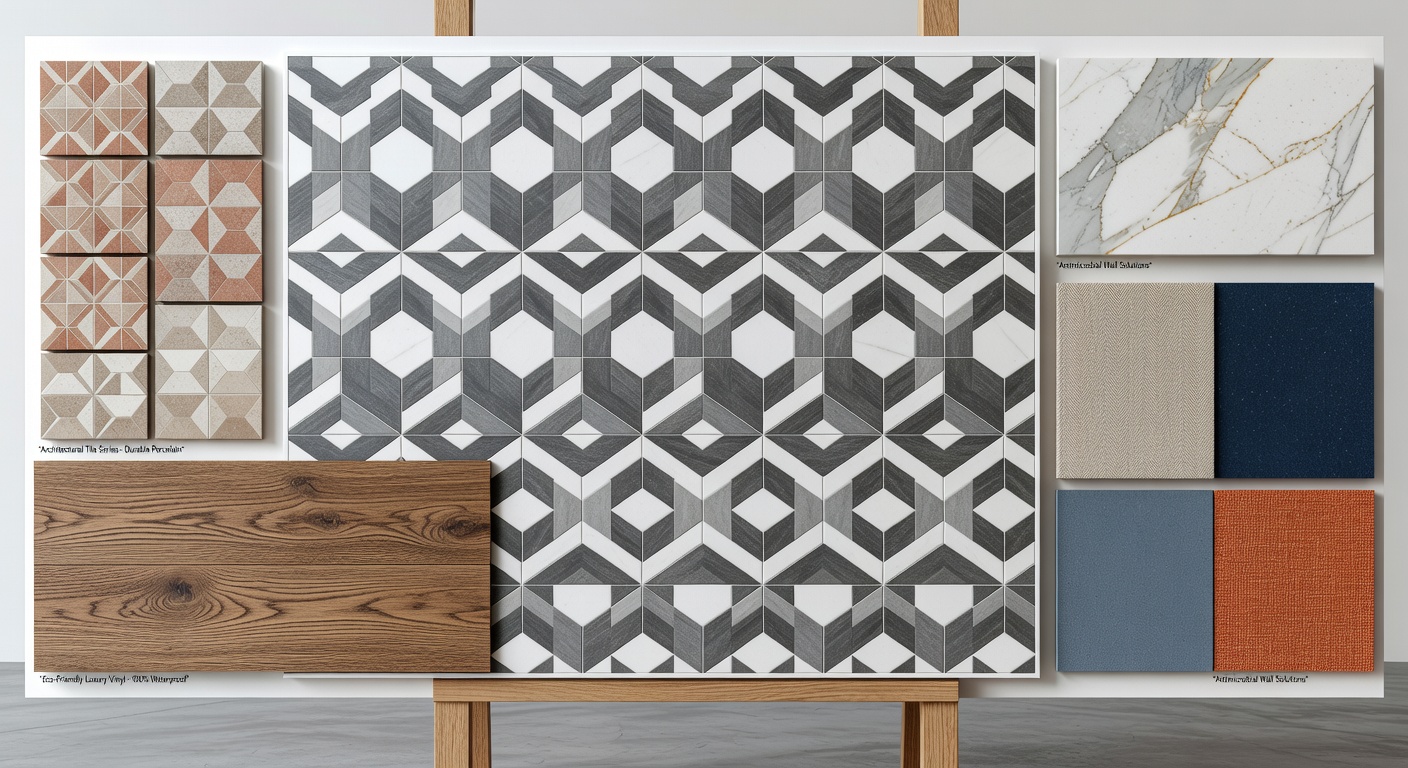
- Flooring: Porcelain tile, luxury vinyl plank with rigid cores, or properly sealed concrete. These withstand moisture, foot traffic, and rolling loads common in commercial settings.
- Wall Finishes: Antimicrobial low-VOC paints, commercial-grade vinyl wall coverings, and moisture-resistant substrates. Avoid materials prone to mold in humidity-prone areas.
- Casework & Millwork: Phenolic resin panels, marine-grade substrates, and laminates engineered for high-moisture environments rather than solid woods unless properly sealed.
- Upholstery & Textiles: Crypton, solution-dyed acrylics, and performance fabrics with stain, abrasion, and UV resistance ratings suitable for commercial use (minimum 50,000 double rubs).
Hurricane Resistance and Sustainability Considerations
All projects must comply with the Florida Building Code’s high-velocity hurricane zone requirements. Specify impact-rated glazing, reinforced interior partitions in wind-borne debris zones, and elevated electrical systems where flood zones apply. Incorporate resilient design principles that allow quick recovery after storm events.
Today’s Naples clients increasingly demand sustainable options. Seek materials with GREENGUARD Gold or Cradle to Cradle certification, high recycled content, and responsible sourcing. Many local vendors now stock products specifically engineered for Florida’s demanding conditions, offering both performance and aesthetic appeal.
Mastering Vendor Negotiation Tactics in Collier County
Strategic negotiation can reduce project costs by 12-22% while securing superior service levels and warranty protections. The Naples vendor ecosystem includes national manufacturers, regional distributors, and specialized local artisans.
Building Leverage Before Negotiations Begin
Develop relationships with at least three qualified vendors for each major category before requesting pricing. Provide comprehensive bid packages including detailed specifications, installation requirements, and project timelines. This ensures accurate apples-to-apples comparisons.
Understand vendor business cycles. Many experience slower periods during late summer, creating opportunities for favorable terms. Visit warehouses and references to verify capabilities. Leverage the full project scope rather than negotiating line items in isolation to maximize volume discounts.
Advanced Negotiation Strategies That Deliver Results
- Negotiate payment terms, delivery schedules, storage options, and installation supervision alongside price.
- Request extended warranties and prioritized service response times for local projects.
- Include performance clauses with clear remedies for delays or defective materials.
- Ask for value-added services such as mock-ups, field measurements, or post-occupancy adjustments.
- Consider long-term partnership agreements for clients with multiple properties.
Always document agreements comprehensively. Utilize AIA contract documents or customized agreements reviewed by legal counsel familiar with Florida commercial construction. Maintain open communication throughout the project to prevent costly change orders.
Real-World Case Studies: Commercial Success in Naples
A prominent Pelican Bay financial services firm invested $475,000 in a complete interior transformation. By implementing biophilic design elements, flexible collaboration spaces, and durable high-end finishes, they achieved a 31% increase in employee satisfaction scores and reduced voluntary turnover by nearly 40%. The project secured all permits within 38 days and delivered a 2.1-year ROI.
Another standout project involved a luxury boutique hotel lobby renovation on Vanderbilt Beach. The design team selected salt-resistant metals, performance fabrics, and moisture-mitigating systems while creating an elevated coastal aesthetic. The renovation increased guest satisfaction ratings by 27% and generated additional revenue through expanded event hosting capabilities. Vendor negotiations secured a 19% savings on FF&E through bundled purchasing and strategic timing.
Conclusion: Creating High-Performance Commercial Spaces in Collier County
Commercial interior design in Naples FL succeeds when aesthetics, functionality, regulatory compliance, and financial performance align. By mastering the permitting process, developing data-driven ROI models, specifying materials engineered for Florida’s unique climate, and negotiating effectively with local vendors, project stakeholders can achieve exceptional outcomes.
The most successful projects begin with early collaboration between ownership, design professionals, and contractors who understand Collier County’s specific requirements and opportunities. This integrated approach minimizes risks while maximizing the return on your design investment.
Ready to transform your commercial property? Partnering with experienced local experts ensures your project navigates every challenge while capturing the distinctive Naples lifestyle that resonates with customers and employees alike. The result is not simply a beautiful space, but a powerful business asset engineered for long-term success in Southwest Florida.